Culture is one of the most powerful forces that shapes the way people travel, explore, and experience new destinations. Every country has its own traditions, values, food habits, language, festivals, and lifestyle, and these cultural elements deeply influence how travelers perceive a place. Travel is not only about visiting new locations, but also about understanding how people live, think, and express their identity. Culture turns a simple trip into a meaningful and unforgettable experience.
When travelers step into a new country, they are not just seeing buildings or landscapes. They are entering a completely different way of life. From greetings and clothing styles to religious practices and social behavior, culture plays a major role in shaping every travel experience.
1 Cultural Identity and Local Traditions
Cultural identity defines how communities express their values, traditions, and history. It influences everything from daily routines to national celebrations.
When travelers explore a destination, they often notice unique customs that reflect local identity. For example, traditional clothing, festivals, and rituals help visitors understand how people connect with their heritage. Experiencing these traditions firsthand allows travelers to appreciate cultural diversity and respect different ways of life.
Cultural identity also helps preserve history. Many destinations protect their traditions through museums, performances, and heritage sites, giving travelers a deeper understanding of the local culture.
2 Food Culture and Culinary Experiences
Food is one of the most important parts of cultural travel experiences. Every country has its own unique cuisine influenced by geography, religion, and tradition.
Travelers often explore local dishes to understand the essence of a place. Street food markets, traditional restaurants, and local cooking styles provide insight into daily life. For example, spices in South Asia, seafood in coastal regions, and bread-based diets in Europe all reflect cultural adaptation.
Food culture also connects people. Sharing meals is a universal experience that brings travelers closer to local communities and creates memorable interactions.
3 Festivals and Cultural Celebrations
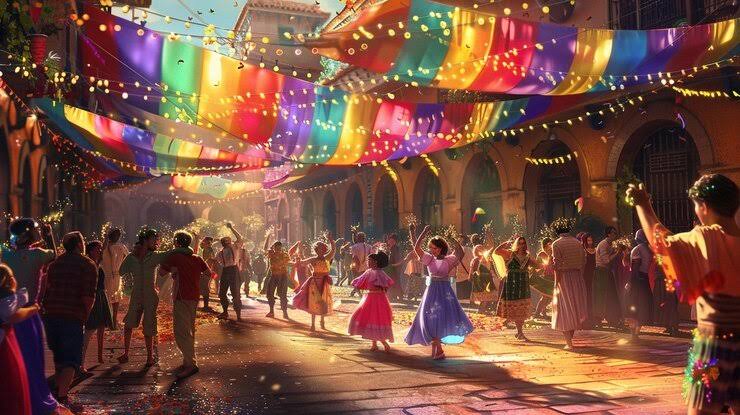
Festivals play a major role in shaping travel experiences because they showcase the heart of a culture. They bring communities together and allow travelers to witness traditions in action.
During festivals, cities come alive with music, dance, decorations, and rituals. Travelers get the opportunity to participate in celebrations and experience cultural energy firsthand. Events like traditional festivals, harvest celebrations, and religious ceremonies highlight the values and beliefs of a society.
These experiences often become the most memorable part of a trip because they provide emotional and cultural connections beyond sightseeing.
4 Language and Communication Style
Language is a key element of culture that directly affects travel experiences. It shapes how people communicate, express emotions, and interact with visitors.
Even simple greetings in the local language can create positive interactions with residents. Travelers often find that learning basic phrases helps them connect more deeply with local people. In some regions, body language and gestures are also important parts of communication.
Language differences can sometimes create challenges, but they also make travel more interesting and educational.
5 Architecture and Historical Influence
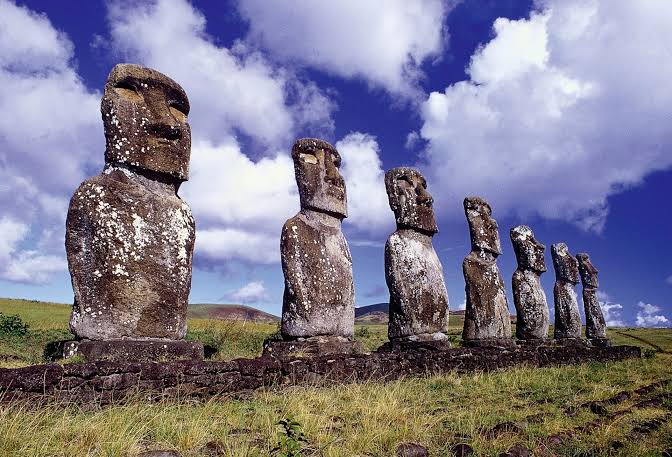
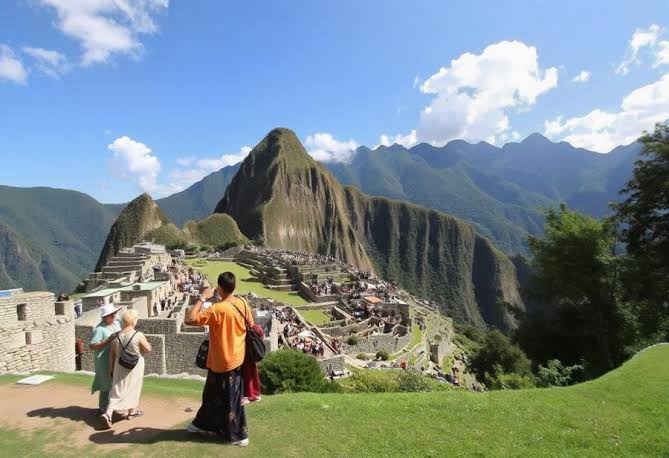
Architecture reflects the cultural and historical background of a destination. Buildings, temples, monuments, and cities tell stories of past civilizations and artistic styles.
Travelers often explore historical sites to understand how culture has evolved. For example, ancient temples, colonial buildings, and modern skyscrapers all represent different cultural eras. Architecture not only defines a city’s identity but also influences how travelers feel about a place.
Walking through culturally rich cities allows visitors to experience history visually and emotionally.
6 Social Behavior and Local Etiquette
Social etiquette varies widely across cultures and plays an important role in travel experiences. What is considered polite in one country may be different in another.
Travelers must adapt to local customs such as greetings, dress codes, dining manners, and public behavior. Respecting cultural etiquette helps build positive relationships with local communities and enhances the travel experience.
Understanding social behavior also prevents misunderstandings and allows travelers to feel more comfortable in new environments.
7 Religion and Spiritual Influence
Religion is a major part of culture in many regions and strongly influences travel experiences. Temples, churches, mosques, and sacred sites are often key attractions for visitors.
Religious practices shape festivals, architecture, food, and daily routines. Travelers visiting spiritual destinations often experience peaceful environments and deep cultural insights. Respect for religious traditions is essential when exploring such places.
Spiritual tourism is also growing, as many travelers seek meaningful experiences connected to faith and mindfulness.
8 Arts, Music, and Cultural Expression
Arts and music are powerful expressions of culture that enrich travel experiences. Every region has its own traditional music, dance, and artistic styles.
Travelers can experience live performances, local crafts, and cultural exhibitions that showcase creativity and heritage. These artistic expressions help visitors understand the emotions, stories, and history of a culture.
Art and music festivals also attract global tourists and promote cultural exchange between different countries.
9 Hospitality and Local Interaction
Hospitality is an important cultural value that shapes how travelers feel in a destination. In many cultures, welcoming guests is a sign of respect and pride.
Local hospitality influences hotel experiences, homestays, and interactions with residents. Friendly behavior, helpful attitudes, and cultural warmth create positive travel memories. Travelers often remember not just places but also the people they meet during their journey.
10 Cultural Awareness in Modern Travel
In modern tourism, cultural awareness has become very important. Travelers are encouraged to respect local traditions, protect cultural heritage, and travel responsibly.
Understanding cultural differences helps reduce misunderstandings and promotes mutual respect between visitors and local communities. Responsible tourism ensures that cultural traditions are preserved for future generations.
Conclusion
Culture plays a central role in shaping travel experiences across the world. It influences how people eat, communicate, celebrate, and interact with others. From language and food to festivals and architecture, every cultural element adds depth and meaning to travel.
When travelers embrace cultural differences, they gain more than just sightseeing experiences. They develop understanding, respect, and appreciation for the diversity of the world. Culture transforms travel into a journey of learning, connection, and personal growth.