Smart travel planning is the foundation of a successful and enjoyable trip. Whether you are traveling for vacation, business, or adventure, proper planning helps you save time, reduce costs, and avoid unnecessary stress. In today’s world, travel has become easier due to technology, but at the same time, destinations are more crowded and travel options are more complex. That is why smart planning is more important than ever.
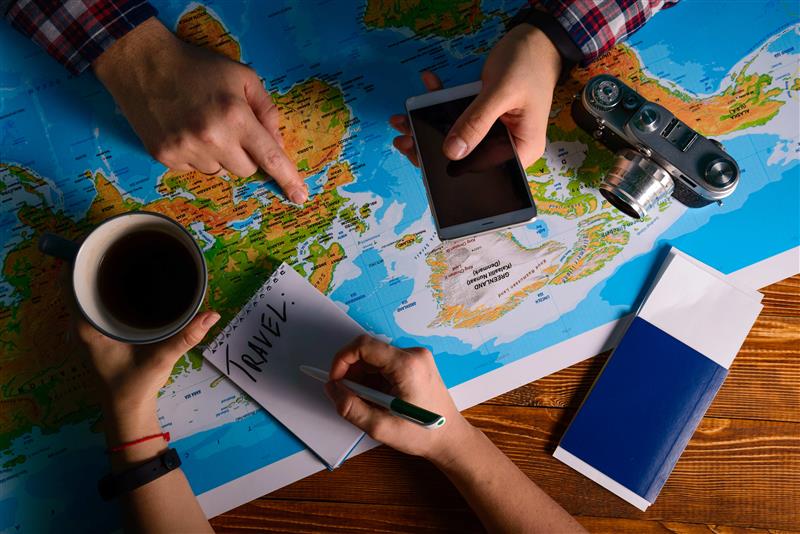
A well-planned trip is not just about booking flights and hotels. It includes budgeting, researching destinations, organizing documents, packing efficiently, and preparing for unexpected situations. When done correctly, travel planning transforms your journey into a smooth, enjoyable, and memorable experience.
1 Choosing the Right Destination
The first step in smart travel planning is selecting the right destination based on your interests, budget, and travel goals.
Some travelers prefer beaches, while others enjoy mountains, cities, or cultural destinations. Researching weather conditions, local attractions, and safety levels helps in making the right choice. It is also important to consider travel restrictions, visa requirements, and seasonal pricing. Choosing the right destination sets the tone for the entire trip.
2 Setting a Realistic Travel Budget
Budgeting is one of the most important parts of travel planning. A clear budget helps you control expenses and avoid financial stress during your trip.
A smart travel budget includes transportation, accommodation, food, activities, shopping, and emergency funds. Travelers should compare prices online and look for deals or discounts. Planning often helps reduce costs significantly, especially for flights and hotels.
3 Booking Flights and Accommodation Early
Early booking is a key strategy for smart travel planning. Flight and hotel prices usually increase as the travel date gets closer.
Booking in advance allows travelers to choose better seats, better hotels, and better prices. Many travel platforms also offer early bird discounts and flexible cancellation options. Planning ensures a smoother travel experience with fewer last-minute issues.
4 Creating a Flexible Travel Itinerary
A travel itinerary helps organize your daily activities, but it should always remain flexible.
Overplanning can make travel stressful, so it is important to leave space for spontaneous activities. A good itinerary includes major attractions, travel time between locations, and rest periods. Flexibility allows travelers to enjoy unexpected discoveries and local experiences.
5 Packing Smart and Light
Packing is an essential part of smart travel planning. Overpacking can make travel uncomfortable, while underpacking can create inconvenience.
A smart packing strategy includes carrying essential clothing, travel documents, medicines, chargers, and personal items. Using packing cubes and checklists helps organize luggage efficiently. Travelers should also consider weather conditions and cultural dress codes.
6 Managing Travel Documents and Safety
Keeping travel documents organized is crucial for a smooth journey. Passports, visas, tickets, and identification documents should always be kept safe and accessible.
Digital copies of important documents can also be stored on mobile devices or cloud storage for emergencies. Travel insurance is another important factor that protects against unexpected situations such as medical emergencies or trip cancellations.
7 Using Technology for Smart Travel
Technology has made travel planning easier and more efficient than ever before. Mobile apps and online tools help travelers book flights, find hotels, and navigate new destinations.
Navigation apps, translation tools, and currency converters improve travel convenience. Online reviews and travel blogs also help in making informed decisions. Smart use of technology enhances the overall travel experience.
8 Understanding Local Culture and Rules
Understanding local culture is an important part of smart travel planning. Every destination has its own traditions, laws, and social behavior.
Respecting local customs helps travelers avoid misunderstandings and build positive relationships with locals. Learning basic phrases and cultural etiquette enhances the travel experience and creates meaningful connections.
9 Planning Health and Emergency Preparedness
Health and safety should always be part of travel planning. Carrying necessary medications, vaccination records, and first aid supplies is important for long trips.
Travelers should also be aware of local healthcare facilities and emergency contacts. Staying hydrated, eating safe food, and maintaining personal hygiene ensure a healthy journey.
10 Saving Time with Smart Booking Strategies
Smart booking strategies help travelers save both time and money. Comparing prices across platforms, using reward points, and booking during off-peak seasons are effective methods.
Travelers can also use package deals that combine flights, hotels, and activities. These strategies simplify planning and make travel more efficient and affordable.
Conclusion
Smart travel planning is the key to a successful and stress-free journey. From choosing the right destination and setting a budget to packing efficiently and using technology, every step plays an important role in creating a smooth travel experience.
A well-planned trip not only saves money and time but also enhances enjoyment and comfort. By understanding culture, preparing documents, and staying flexible, travelers can turn every journey into a memorable adventure.